
Thirteen resorts. One playbook.

Between 2004 and 2019 DiamondRock invested $1.2 billion in thirteen resorts. The average EBITDA multiple fell from 13.1x at purchase to 10.9x on 2019 earnings, adding roughly $40 million of EBITDA. Five of those assets, set out below, show the levers Elmsworth Partners uses.

Results are DiamondRock Hospitality's, achieved under Mark Brugger's leadership as CFO and then CEO, and are not Elmsworth Partners'. Past performance is not a guarantee of future results. Figures are from DiamondRock's SEC filings, investor presentations and press releases; "projected" figures were DiamondRock's forecasts at the time, not realized results. Not every DiamondRock investment was profitable.

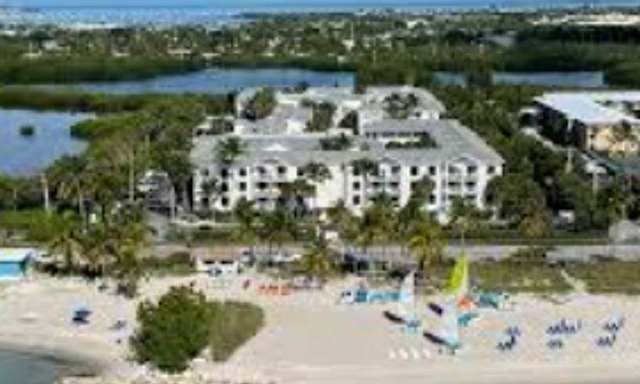
The Lodge at Sonoma
The Lodge at Sonoma
The Lodge at Sonoma

The Lodge at Sonoma

Sonoma, California · Renaissance to Autograph Collection · operator changed to Sage

10.7x→5.7x

EBITDA multiple on total investment, purchase to 2019

$31.5M→$40M

purchase price (2004) to total investment

Yield on total cost, 2019
about 17.5%
Conversion capital, 2021
about $10M, projected return above 25%
Market share
RevPAR index up 20+ points against 2019
Basis after conversion
about $380K per key, a fraction of replacement cost

Levers: low basis · brand change · operator change · food and beverage
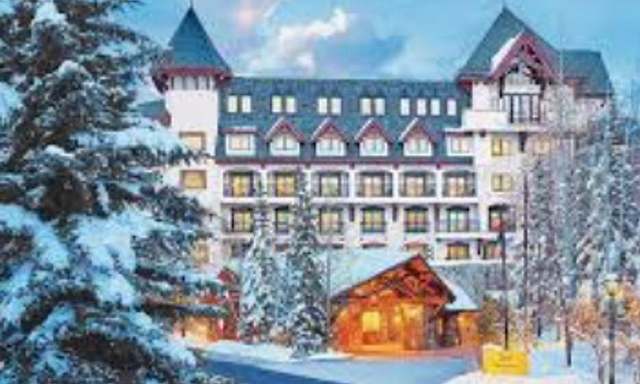
The Hythe, Vail

The Hythe, Vail

Vail, Colorado · Vail Marriott Mountain Resort to the Luxury Collection

13.4x→8.7x

EBITDA multiple on total investment, purchase to 2019

$64M→$96M

purchase price (2005) to total investment

Yield on total cost, 2019
about 11.5%
Conversion capital, 2021
$8.4M incremental; stabilized EBITDA projected above $17M
Basis
$305K per key against ski-resort trades of $1–2M per key
Program
multi-year renovation of roughly $40M, then the brand tier move

Levers: low basis in a supply-constrained market · capital program · brand tier move

Margaritaville Beach House, Key West

Margaritaville Beach House

Key West, Florida · Sheraton Suites to independent (2019) to Margaritaville (2021)

$7.3M→~$14M

EBITDA, purchase-year forecast (2015) to 2021 expectation

12.8x→~7.7x

EBITDA multiple on total cost

Purchase
$94M, 184 suites, 7.1% cap rate
Step one
de-flag to an independent; about $1.5M a year of brand fees saved; 22 points of share gained
Step two
$3.5M to convert to Margaritaville, for about $1.3M of added EBITDA
Yield on total cost
about 13%

Levers: de-flag to cut fees · lifestyle brand · revenue mix

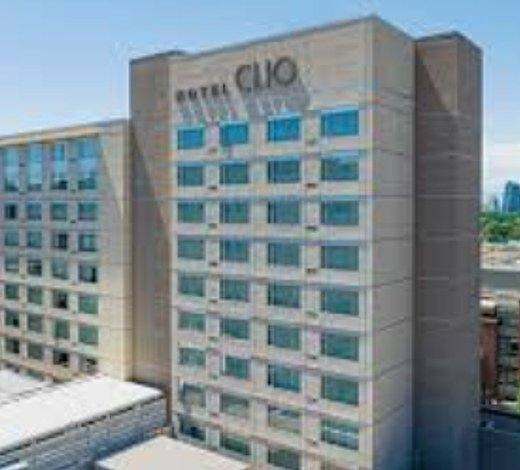
Hotel Clio, Denver

Hotel Clio

Denver Cherry Creek · JW Marriott to the Luxury Collection

$201→$259

average daily rate, Q1 2021 to Q1 2022

$2.4M→$1.25M

restaurant capex to added EBITDA, 2019

Purchase
$72.6M (2011), 196 rooms, 7.5% cap rate
Conversion capital, 2022
$3.6M incremental
Projected
stabilized yield of 10.5% on total investment
Why it matters
small, targeted spend on an asset bought at the right price

Levers: food and beverage · brand change · targeted capital

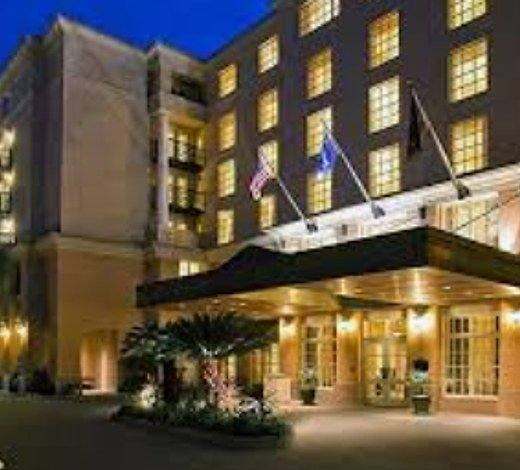
The Lindy Renaissance Charleston

Renaissance Charleston (The Lindy)

Charleston, South Carolina · recession-era purchase, 2010

11.1x→7.0x

EBITDA multiple on total investment, purchase to 2019

$39M→$43M

purchase price to total investment

Yield on total cost, 2019
about 14%
Later capital
$2.1M food and beverage repositioning for $0.5M of EBITDA
Why it matters
the closest parallel to buying at a cyclical low and growing the asset's earnings

Levers: cycle timing · earnings growth · food and beverage

Why these five

Each was bought at a basis well below replacement cost, in a market that could not add rooms. Each then received a defined capital program and a brand, operator or product change. On total cost, purchase through stabilization, the EBITDA yields ran from about 11% to about 17.5% by 2019.

The conversion returns DiamondRock quoted, 70% to 88% on the incremental capital, are projections on small increments laid over an existing low basis. Elmsworth Partners underwrites new acquisitions on total cost, which is the honest comparison, and the record above is the standard it holds itself to.

The underwriting standards